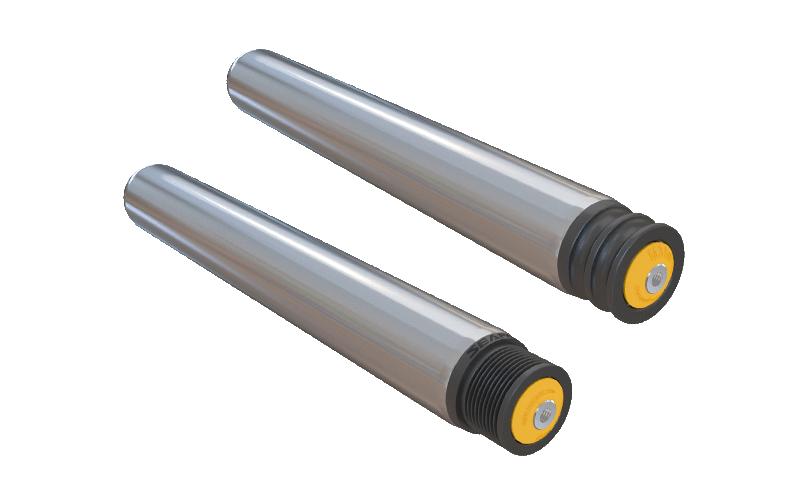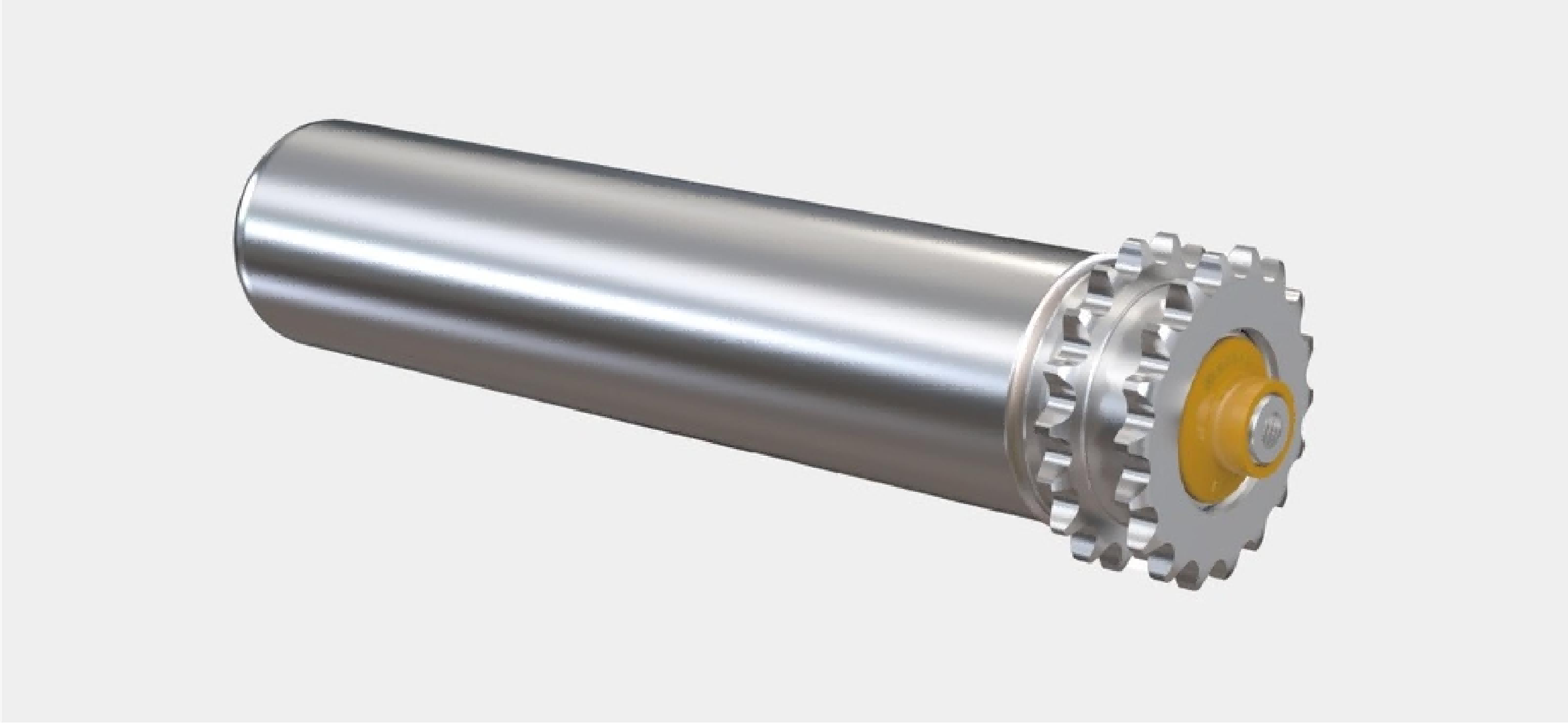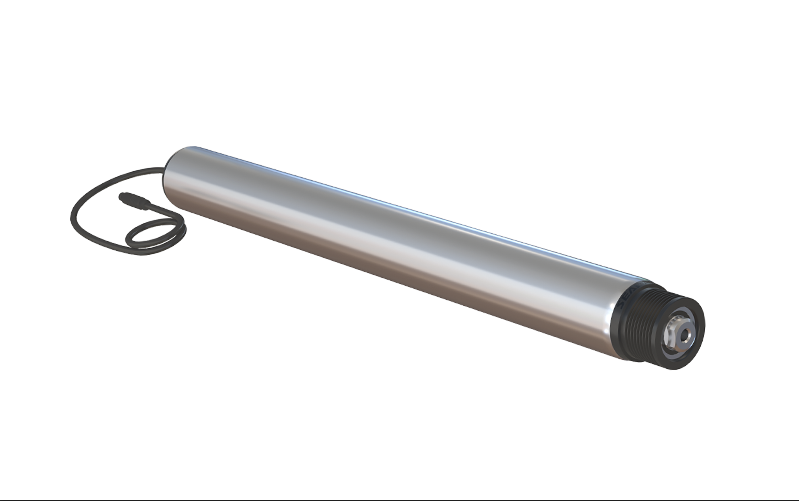
As previously analyzed in detail, the root cause of food safety incidents involving mold and insect contamination during shelf life lies not in workshop production standards, but in hidden vulnerabilities in downstream storage, transport, and conveying equipment during continuous production. Among these, conveyor equipment—suffering from poor sealing and prone to accumulation of dirt and water ingress—is the primary hit area.
To address these food safety pain points, we previously covered a complete set of rectification plans, including warehouse control and equipment upgrades. Today, rather than repeating the full blueprint, we will deep-dive into the single most critical yet frequently overlooked detail: the waterproof IP rating of motorized pulleys.
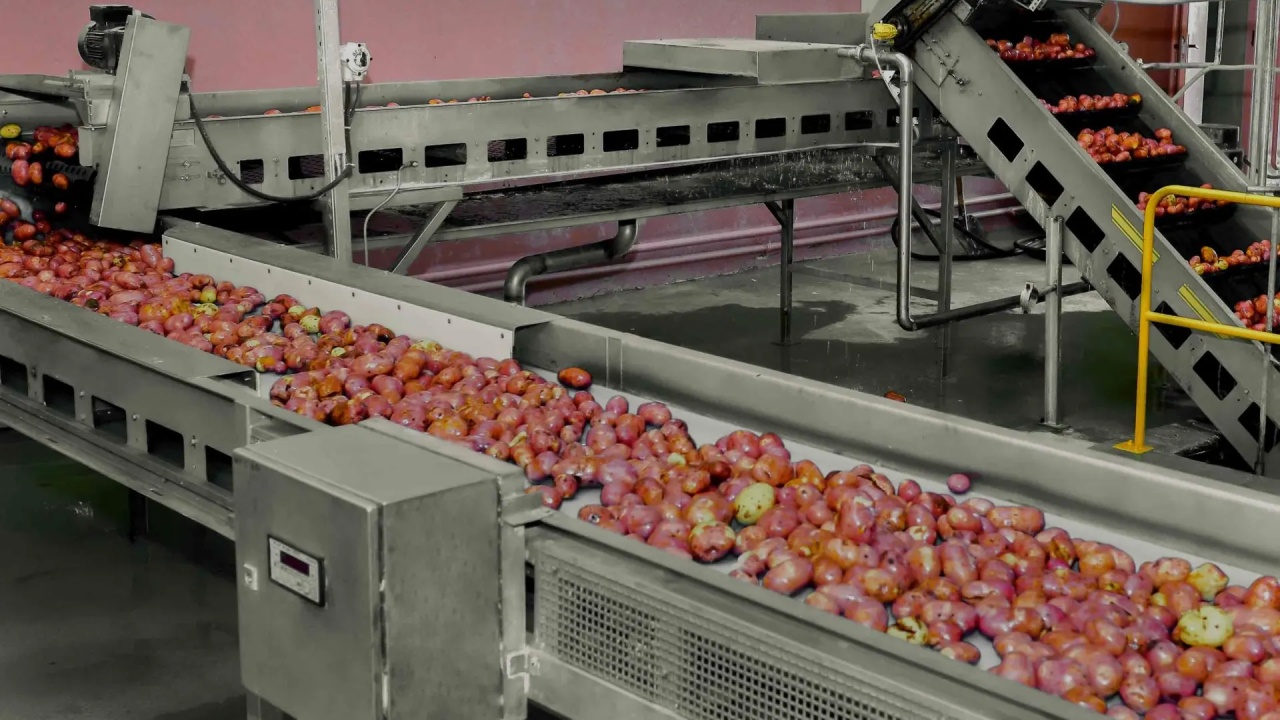
Many food manufacturing plants know they should upgrade to food-grade motorized pulleys, but they fail to understand the essential differences between IP66, IP67, and IP69K. This precise detail gap leaves many production lines vulnerable to bacterial accumulation, water seepage, and secondary contamination risks. Today, we break down why demanding food conveying scenarios must prioritize top-tier IP69K motorized pulleys.
Industry test data reveals that under continuous production conditions, 42% of food total plate count (TPC) exceedances stem from residual contamination on conveying equipment.
The biggest drawback of traditional motorized pulleys and standard IP66/IP67 pulleys is insufficient sealing, structural gaps, and cleaning blind spots. Food plants require high-frequency washdowns, disinfection, and continuous operation in high-humidity environments. Standard pulleys running continuously for 30 days accumulate material residues, oil stains, moisture, and grime. During 24/7 non-stop operation, dirt, rust flakes, and degraded grease continuously shed, causing secondary food contamination and creating a breeding ground for insect eggs and mold.
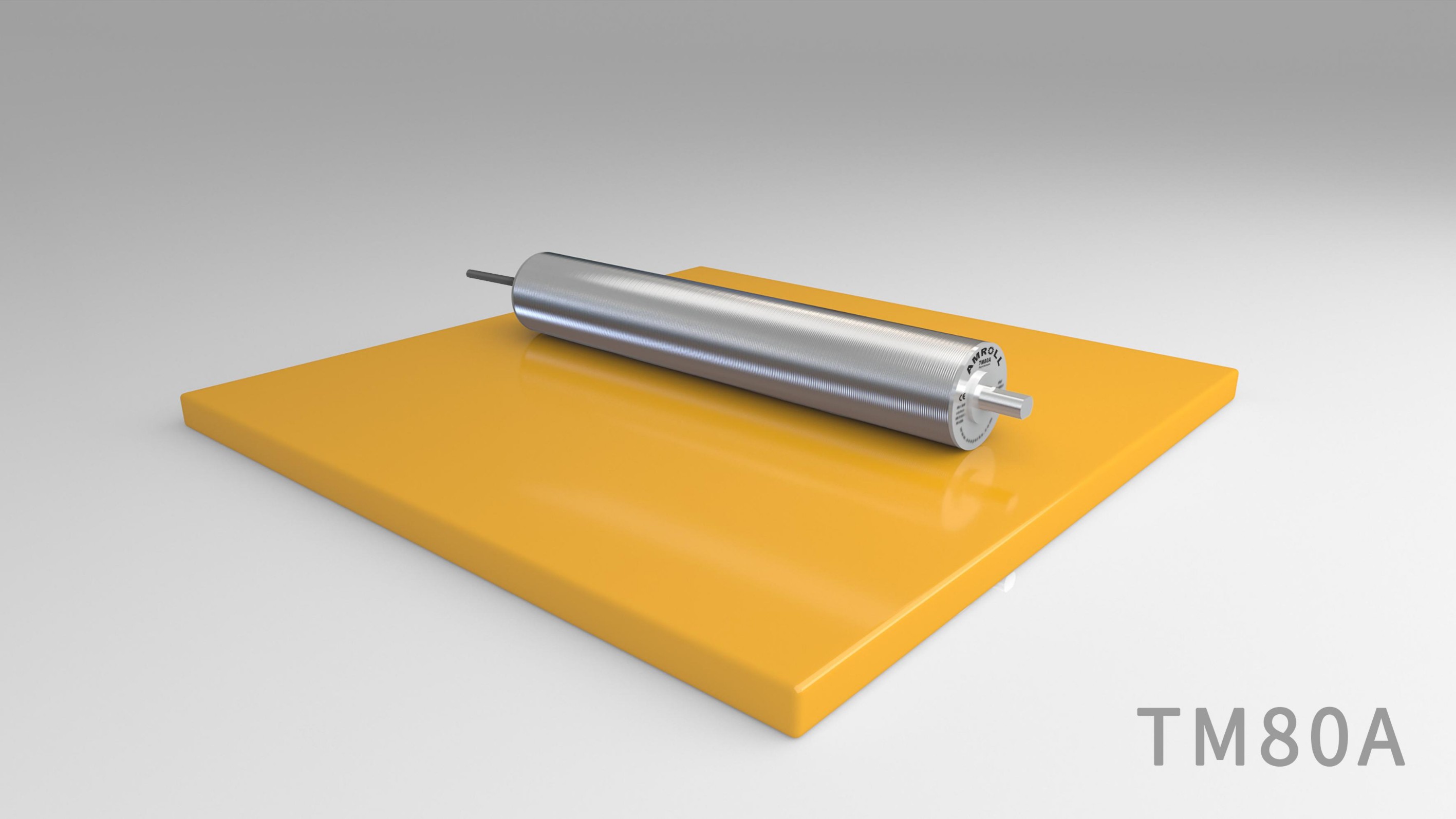
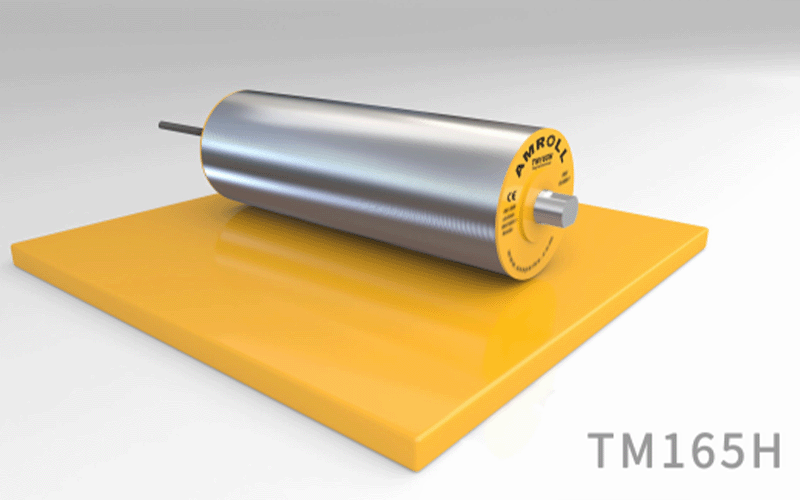
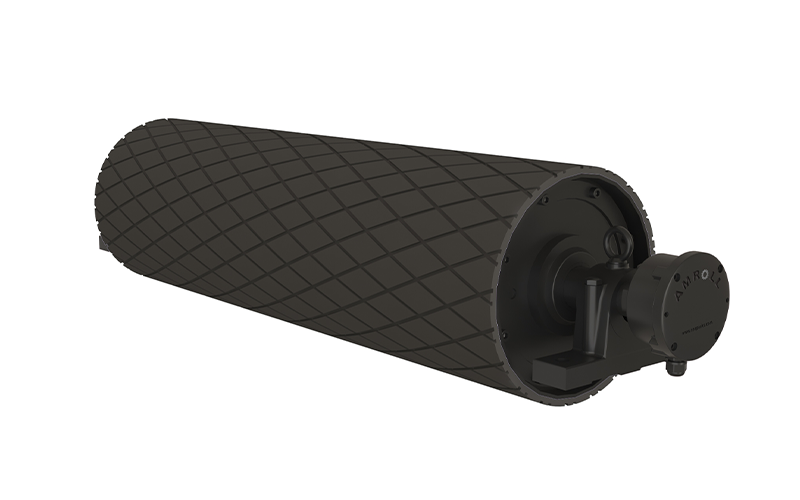
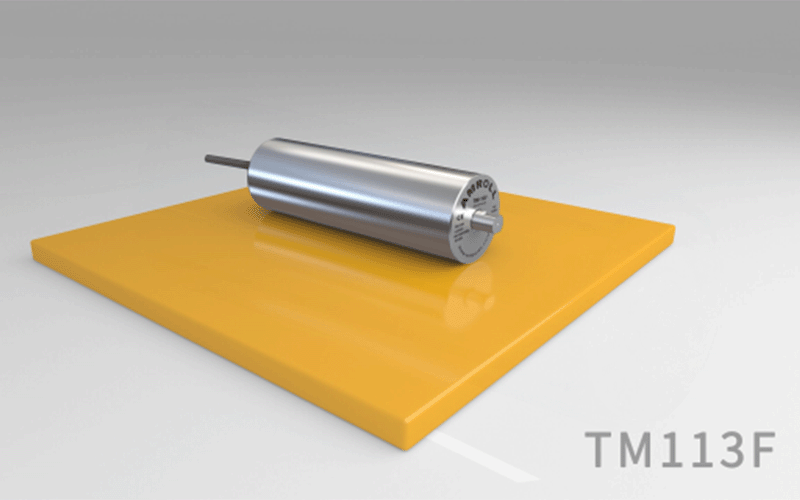
As the highest industrial washdown protection standard, IP69K utilizes a fully sealed, seamless integrated structure free of exposed transmission gaps or residue-collecting dead zones. The entire smooth surface repels dirt and tolerates direct high-pressure washdowns. Residues and grease wash away with ease, perfectly accommodating daily deep sanitation needs and eliminating continuous equipment-borne contamination at the source.
Sanitation in the food industry differs vastly from general industrial equipment. To ensure food safety compliance and prevent bacterial growth, workshops routinely blast conveying lines with 80°C hot water, high-pressure water guns, and specialized disinfectants. Standard IP66 and IP67 pulleys only handle everyday splashing or short-term immersion; they cannot endure direct high-pressure blasting and high-temperature thermal shock. Over time, seal layers rapidly age and fail, allowing moisture to breach the housing—leading to lubricant degradation, gear rust, and internal mold growth. What appears to be a clean production line actually harbors persistent contamination risks.
IP69K is specifically engineered for severe food industry sanitation conditions, tolerating 100-bar high-pressure water streams from all directions without water ingress. Whether subjected to daily high-frequency washdowns or periodic deep disinfection, its sealing integrity remains uncompromised, eliminating water entry, pooling, and mold issues.
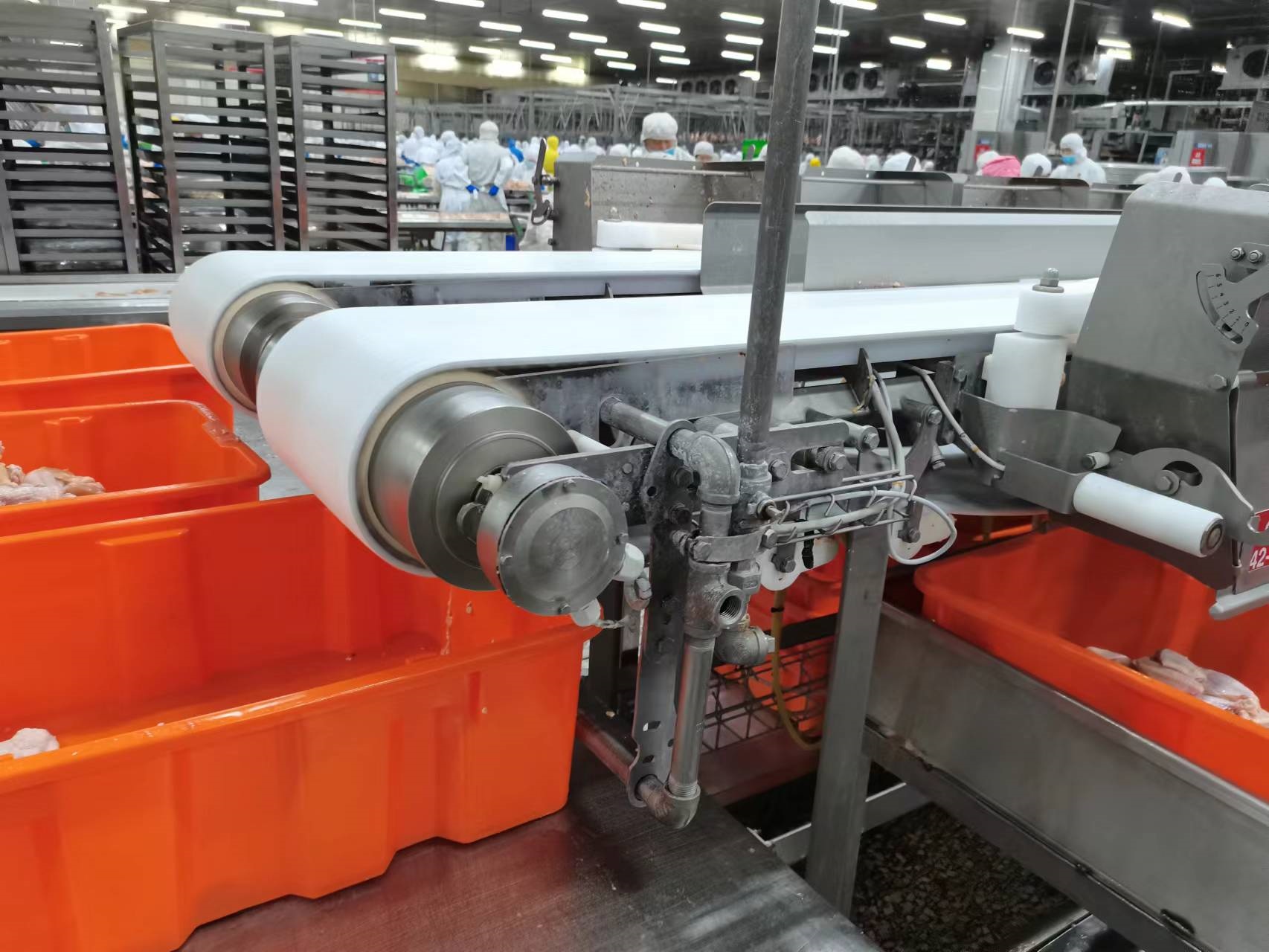
In recent multi-region food mold incidents, high storage humidity and environmental temperature fluctuations served as major triggers. Dust, high humidity, and temperature swings accelerate food spoilage and bacterial growth across processing, storage, and transfer stages. Pulleys with insufficient IP ratings fail to isolate external dust and damp air. Moisture ingress causes internal component rust and shedding, while accumulated dust ferments and mildews. During continuous processing, trace impurities and mold spores contaminate raw materials, driving flavor defects and bacterial exceedances.
IP69K motorized pulleys provide total dustproof and moisture-proof isolation. Moisture and condensation cannot penetrate the fully sealed housing. Paired with food-grade lubricant and a 304 stainless steel body, the pulley resists rust, oil leaks, and mold growth under prolonged high-humidity and dusty operations, completely cutting off the equipment-borne contamination chain.
Food production spans extreme operating conditions: sub-zero cold chain environments, ambient packaging rooms, and high-temperature sanitation zones. Frequent thermal shifts pose a fatal test to standard pulleys, whose seal strips expand, contract, age, and deform, causing premature seal failure and water ingress.
The high-precision seal structure of IP69K withstands thermal shock—remaining resilient against cold-cracking and high-temperature softening. Protection performance remains stable across cold, ambient, and high-heat sanitation zones, ensuring smooth adaptation to 24/7/365 continuous production schedules.
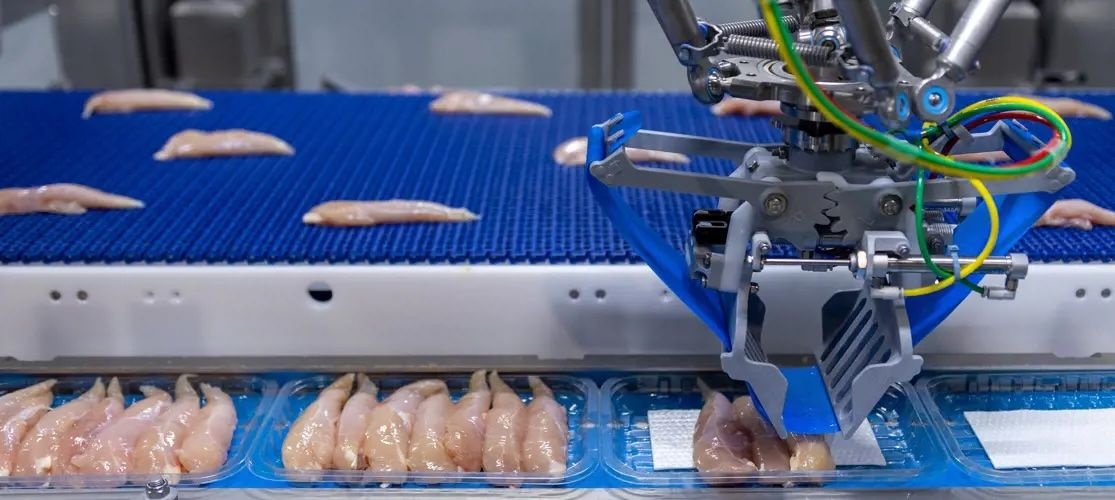
In an era of continuous, large-scale food manufacturing, visible workshop compliance is merely baseline; operational details in downstream storage, transport, and conveying equipment define the true bottom line of food safety. While batch production allows downtime for equipment teardown, sanitation, and troubleshooting, continuous high-speed lines offer no buffer time. A single hidden flaw can rapidly escalate into a widespread food safety incident.
Under high-humidity and frequent washdown conditions, traditional low-rated pulleys exhibit annual failure rates as high as 3.8% and a stable runtime of less than 6 months. Frequent teardown maintenance delays capacity and disrupts workshop cleanroom environments. Upgrading to IP69K food-grade motorized pulleys dramatically lowers failure rates, reduces O&M costs by over 80%, and slashes equipment-sourced food contamination rates by more than 90%.
Food safety relies heavily on meticulous downstream equipment control. IP69K is not an over-engineered luxury—it is an absolute necessity for continuous food processing. By eliminating dirt accumulation, water seepage, mold, oil leaks, and debris shedding, IP69K eradicates secondary contamination at the source, shielding food manufacturers from shelf-life mold, bacterial exceedances, mass recalls, and regulatory penalties.